Reviewing the Cute Zebra Christmas Clipart for Stitching
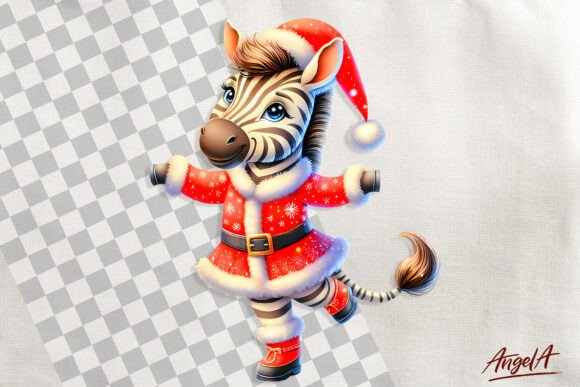
As a designer who spends more time staring at digitized paths than actual fabric, I have learned that not every pretty image translates well into thread. When I first pulled up the Christmas Clipart, Cute Zebra Clipart file, my initial reaction was one of cautious optimism. The concept is undeniably charming—a zebra, an animal usually associated with the savannah, reimagined with holiday flair. It creates a whimsical mood that feels fresh compared to the standard reindeer and snowmen we see every December. But charm alone does not make a viable machine embroidery design. I needed to know if this illustration would hold up under the needle, especially when applied to real-world products for my clients.
First Impressions: Visual Personality and Layout
The visual personality of this design is playful and soft. The lines are clean, suggesting a modern, minimalist approach rather than a hyper-realistic one. For embroidery, this is often a blessing. Complex shading and tiny details tend to get lost in translation, turning into messy blobs of thread on smaller items. This Illustrations style relies on strong shapes and clear contrasts, which are essential for stitching clarity. The layout appears balanced, with the zebra’s form providing a solid anchor for any accompanying text or decorative elements like holly or snowflakes.
What stands out immediately is the potential for color play. Zebras are naturally black and white, which offers a high-contrast base. However, since this is a holiday-themed piece, the addition of festive colors—reds, greens, golds—creates a striking visual pop. In a digital preview, it looks crisp. But as any experienced Etsy seller knows, screen resolution is forgiving; fabric is not. I looked closely at the curves of the zebra’s body and the tips of its ears. These areas are critical. If the digitizing is too dense, the fabric will pucker. If it is too loose, the backing will show through. The initial view suggested a thoughtful balance, but I knew I had to test it to be sure.
Real-World Application: From Screen to Sweatshirt
To truly evaluate this design, I imagined a specific project: a custom holiday sweatshirt for a boutique client. They wanted something unique for their "Ugly Sweater" alternative line. The Cute Zebra Clipart fit the brief perfectly. It is quirky enough to stand out but cute enough to appeal to a broad audience. I envisioned placing the design on the left chest area of a heather grey crewneck. This placement requires a design that is legible from a distance but detailed enough to reward a closer look.
In this scenario, the design performs well because of its bold outlines. On a textured fabric like fleece or French terry, fine details can disappear. The zebra’s stripes, if digitized correctly with appropriate satin stitch or narrow fill stitch columns, would provide excellent texture without overwhelming the garment. I also considered using this as a central graphic on a canvas tote bag design. Here, the larger scale allows for more intricate stitching. The contrast between the dark stripes and the light fabric would make the image pop, creating a high-value handmade product that feels professional and intentional.
Another strong use case is baby apparel. A onesie or a burp cloth featuring this character could be a hit for new parents looking for non-traditional holiday embroidery. However, this application requires extra caution. Baby skin is sensitive, and the back of the embroidery must be soft. This means checking the stitch density carefully. If the design is too heavy, it will feel stiff and uncomfortable. For such small items, I would recommend scaling the design down and ensuring that the digitizer has used efficient pathing to minimize jump stitches and bulk.
Technical Considerations and Fabric Challenges
While the aesthetic is strong, there are technical hurdles to consider. One major concern with any animal design involving stripes is the potential for registration issues. If the black and white sections are separate elements, they must align perfectly. Any gap or overlap will be visible and detract from the professionalism of the finished product. I always advise running a test stitch-out on scrap fabric before committing to final inventory. This is non-negotiable for maintaining quality control in a craft business.
Fabric choice plays a massive role here. On stable woven fabrics like cotton or linen, the design should stitch out cleanly with a standard cut-away or tear-away stabilizer. However, on stretchy knits or thin materials, the tension needs to be adjusted. The zebra’s legs and tail might be prone to distortion if the fabric shifts during stitching. Using a hoop that fits snugly and selecting the right stabilizer weight is crucial. For dark fabrics, you might need to adjust the thread colors or add an underlay to ensure the lighter parts of the zebra do not look dull or covered by the background fabric.
Curved surfaces, such as caps or hats, present another challenge. The embroidery file must be digitized with consideration for the curve of the cap. If the design is too wide, it will wrap around the sides and distort. I would recommend checking the dimensions against your typical cap hoop size. If the design is too large, it may need to be resized, which could affect the stitch count and density. Always verify the recommended hoop size provided with the digital assets to avoid these pitfalls.
Commercial Value and Brand Consistency
For small shop product creators, uniqueness is currency. Using a generic clipart can make your brand blend in. However, this specific zebra design offers a niche appeal. It helps build brand consistency if your shop focuses on whimsical, modern, or nature-inspired themes. It enhances customer trust because it shows attention to detail and a departure from the mass-produced look. When customers see a well-executed embroidered patch or a neatly stitched apron, they perceive higher value.
This design also works well for printable mockup creation. Before you even stitch a single thread, you can place the digital file onto product photos to gauge interest. This saves time and materials. If the response is positive, you can proceed with production. This strategy is particularly useful for digital embroidery file sellers who want to showcase how their designs look on various items without physically making each one.
Final Verdict and Designer Notes
After evaluating the Christmas Clipart, Cute Zebra Clipart from multiple angles, I find it to be a versatile and appealing asset for the right projects. It is not just a cute image; it is a functional design element that, when handled with care, can elevate a simple item into a cherished personalized gift.
Here are my practical notes for anyone planning to use this design:
- Test First: Always stitch out on a similar fabric to your final product to check for puckering or registration issues.
- Check Density: Ensure the stitch density is appropriate for the fabric weight, especially for baby clothes or thin towels.
- Contrast Matters: Verify that your thread colors provide enough contrast against the fabric background. A black zebra on navy blue might get lost.
- Licensing: Confirm the license terms. If you are selling finished items, ensure the license covers commercial use. If you are selling the digital file itself, that is a different right entirely.
- Stabilizer Selection: Match your stabilizer to the fabric. Knits need cut-away; wovens can often use tear-away.
In conclusion, this design is a strong contender for your holiday collection. It brings a fresh perspective to seasonal decor and apparel. By paying attention to the technical details of stitching and fabric selection, you can create a custom apparel piece or home good that stands out in a crowded market. It is a reminder that good design is not just about what looks good on screen, but what performs well under the needle.