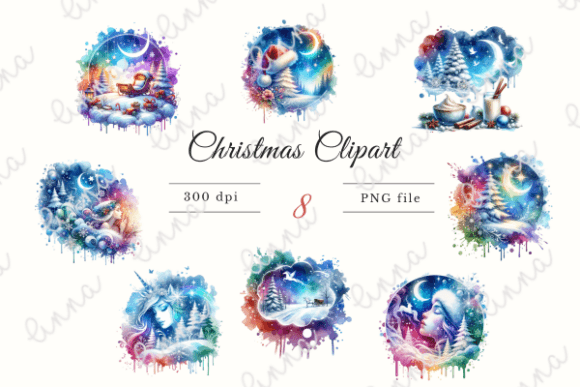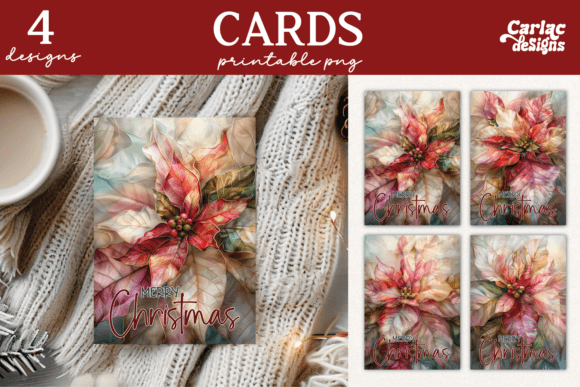
Reviewing Christmas Printable Cards Illustrations
As a brand designer who has spent the last decade helping local businesses transition from hobbyist ventures to polished commercial entities, I approach every new graphic design asset with a critical eye. It is not enough for an image to be pretty; it must work hard for the brand. Recently, I evaluated a set of Christmas Printable Cards for a potential project involving a boutique candle maker and artisanal soap brand. The goal was to determine if these assets could elevate their seasonal packaging without overwhelming their established minimalist aesthetic. What I found was a versatile collection that bridges the gap between festive cheer and professional branding, provided it is applied with strategic intent.
First Impressions: Mood and Brand Personality
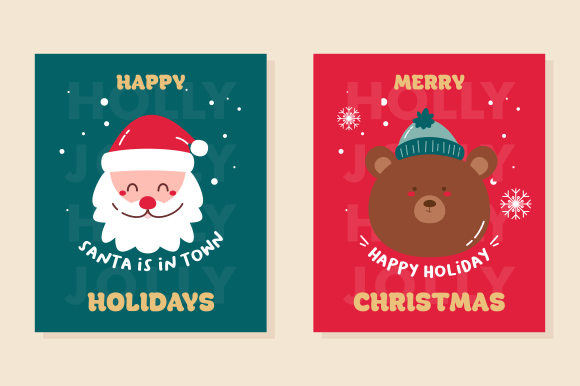
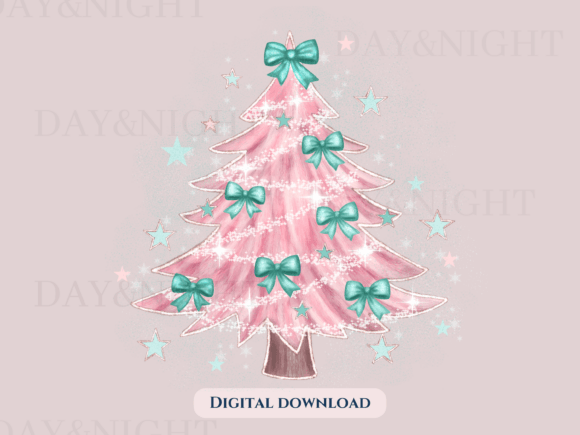
The immediate visual impact of these Christmas Printable Cards is one of warmth and nostalgic charm. Unlike the hyper-saturated, cartoonish clipart often found in free repositories, these illustrations possess a refined hand-drawn quality. They feel organic and handmade, which is crucial for small business owners selling physical goods like baked items, floral arrangements, or handmade decor. The mood suggests a brand personality that is approachable, thoughtful, and rooted in tradition.
For a local business, this distinction matters. When a customer picks up a product, the visual language communicates value before they even read the label. These assets lean towards a rustic yet elegant vibe, making them ideal for brands that want to convey authenticity. They are not overly bold or aggressive; instead, they offer a soft, decorative touch that enhances rather than dominates. This makes them particularly suitable for feminine brands, family-oriented products, or any enterprise looking to soften its corporate edge during the holiday season.
Strategic Applications in Local Business Design
The true test of any design asset is its versatility across various touchpoints. In my review, I mapped out how these illustrations could function within a comprehensive brand identity system. Here is where they shine:
- Packaging Design and Labels: The most impactful use case is on product labels. For a food business or skincare brand, placing these illustrations as corner accents on kraft paper labels creates an instant premium feel. They break up the text-heavy nature of ingredient lists and legal requirements, guiding the eye naturally.
- Hang Tags and Thank-You Cards: Small businesses thrive on personal connection. Using these assets on hang tags for boutique clothing or printed thank-you cards included in shipments adds a layer of tactile appreciation. It transforms a simple transaction into a memorable unboxing experience.
- Social Media Graphics: In the digital realm, consistency is key. These illustrations serve as excellent anchors for Instagram stories, Facebook posts, and Pinterest pins. They provide a cohesive visual thread for seasonal campaigns, ensuring that promotional ads look professional and aligned with the brand’s core aesthetic.
- Printable Inserts and Menus: For cafes and restaurants, integrating these designs into seasonal menus or table tents can enhance the dining atmosphere. They act as subtle decorative elements that reinforce the festive theme without distracting from the primary content.
Enhancing Business Presentation and Trust
Why invest in high-quality Illustrations like these? The answer lies in perception. A stronger first impression leads to better product recognition. When a customer sees consistent, well-designed visuals across your packaging, website, and social media, it builds trust. It signals that you care about the details, which implies you care about the quality of your product.
These assets support clearer visual hierarchy. By using the illustrations as focal points, you can direct attention to specific offers or product names. This results in more professional packaging and better shelf appeal. In a crowded retail environment, whether physical or digital, that split-second emotional connection can be the difference between a browse and a buy. The polished nature of these marketing visuals helps local businesses compete with larger corporations by offering a unique, curated aesthetic that mass-produced brands often lack.
Where to Use Them Carefully
While versatile, these assets are not a one-size-fits-all solution. As a designer, I advise caution in several areas. First, avoid using them in formal corporate branding where a sleek, modern, or sterile look is required. They may clash with luxury minimalist brands that rely on vast negative space and typography alone.
Second, be mindful of scale. On very small labels, intricate details can become muddy. Always preview the design at actual print size. Additionally, do not place these illustrations over low-contrast backgrounds or in areas crowded with essential text, such as legal information or dense ingredient lists. The decoration should never compete with readability. If the illustration fights for attention with the price or product name, you have failed in your layout strategy.
Practical Notes for Designers and Brand Owners
Before integrating Christmas Printable Cards into your client work or own business branding, consider these technical and practical steps:
- Test on Real Mockups: Do not rely solely on screen views. Place the assets on realistic product mockups to see how they interact with textures like cardboard, glass, or fabric.
- Check Black and White Usage: Ensure the illustrations hold up when printed in monochrome. This is essential for cost-effective shipping labels or receipt inserts.
- Font Pairing: Experiment with different typefaces. These illustrations pair beautifully with serif fonts for a classic look, sans serif fonts for modern clarity, and script or handwritten fonts for a personal touch. Avoid overly decorative display fonts that might clutter the composition.
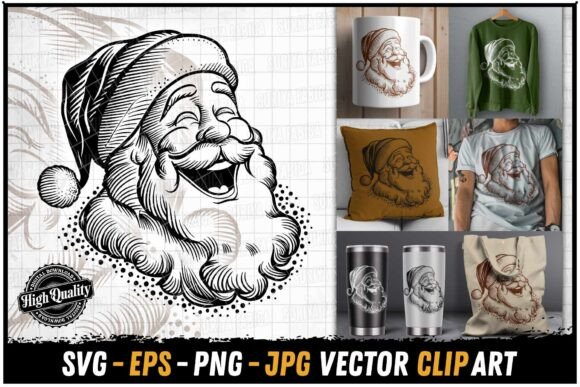
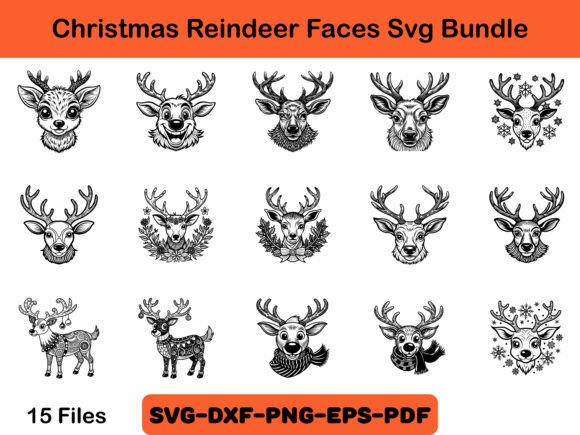
- File Formats and Quality: Verify if you are working with PNG design files with transparent backgrounds or SVG design vectors. Vectors are preferable for scaling without loss of quality, especially for large format prints like posters or banners.
- Licensing Verification: Always confirm the commercial license terms. Ensure you have the right to use the asset for physical product sales and client projects. Never assume a creative marketplace download is free for all commercial uses.
- Competitor Analysis: Compare your final design with competitor packaging. Does your use of the asset help you stand out, or does it blend in too much? Adjust colors and placement to ensure distinctiveness.
In conclusion, these Christmas Printable Cards are a valuable addition to any designer’s toolkit for seasonal campaigns. They offer a balance of festivity and professionalism that can significantly enhance small business branding. By applying them thoughtfully across packaging, digital content, and print materials, local businesses can create a cohesive and compelling brand narrative that resonates with customers during the holiday season. The key is restraint and context—using the art to support the brand, not overshadow it.