Cubist Christmas: A Designer’s Review
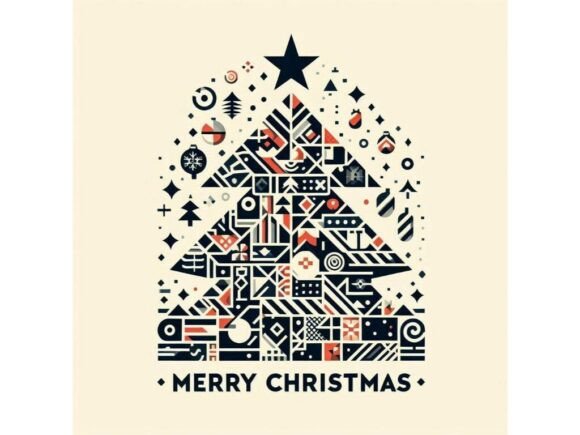
As an embroidery designer who has spent years digitizing patterns and reviewing files for commercial use, I approach every new machine embroidery design with a mix of curiosity and skepticism. We have all seen the flood of generic holiday motifs that clutter digital marketplaces every November. However, when I first loaded the Cubist Merry Christmas Fragmented Design into my software, it stopped me in my tracks. This is not your traditional holly-and-ivy scenario. It is a bold, geometric interpretation of the holiday spirit, rooted in the principles of modern art rather than rustic charm.
In this review, I am evaluating this piece not just as a pretty picture, but as a functional asset for real-world production. Whether you are an Etsy seller looking to differentiate your small shop product line, or a hobbyist wanting to create a unique personalized gift, understanding how this design behaves under the needle is crucial. Let’s break down its aesthetic appeal, technical performance, and best use cases.
The Aesthetic: Modern Art Meets Holiday Tradition
The immediate impression of the Cubist Merry Christmas Fragmented Design is one of sophisticated disruption. By deconstructing traditional holiday symbols into angular, overlapping shapes, the design creates a dynamic visual tension. It feels contemporary, artistic, and slightly edgy. For designers working within the Illustrations category, this file offers a refreshing departure from the soft, rounded curves typical of seasonal embroidery.
This visual personality dictates where the design belongs. It does not scream "cozy cabin"; it whispers "urban boutique." The fragmented layout suggests movement and complexity, which can be incredibly striking on minimalist backgrounds. When I visualize this on a custom apparel piece, such as a charcoal grey sweatshirt or a crisp white canvas tote, the geometric lines provide a sharp contrast that draws the eye. It appeals to a demographic that values design-forward aesthetics over traditional nostalgia.
Real-World Application: From Mockup to Finished Product
To truly test the viability of any digital embroidery file, we must imagine it stitched out. I recently considered a project for a client who runs a modern home goods brand. They wanted a holiday embroidery motif for a limited-edition linen pillow cover. The Cubist Merry Christmas Fragmented Design was a top contender. Here is how I evaluated its performance across different mediums:
- Sweatshirt Embroidery: On heavy fleece or French terry, the design’s bold lines hold up well. The geometric shapes prevent the "muddy" look that sometimes occurs with intricate details on textured fabrics. It creates a high-value finished product that looks expensive and intentional.
- Tote Bag Design: Canvas bags benefit from designs with strong outlines. This cubist approach uses clear boundaries between color blocks, making it ideal for a sturdy, everyday carry item. It transforms a simple bag into a statement piece.
- Embroidered Patch: I tested the scalability for patches. Because the design relies on shape rather than fine shading, it scales down reasonably well for iron-on or sew-on patches, provided the smallest fragments are not lost in the satin stitching.
For craft business owners, this versatility is key. You are not limited to one type of garment. This design can anchor a entire collection, from aprons to wall art, maintaining brand consistency through its distinct artistic style.
Technical Considerations and Stitching Challenges
While the aesthetic is strong, the technical execution requires attention. Cubist designs often feature sharp angles and intersecting lines. In embroidery, sharp corners can be tricky. If the digitizer has not properly adjusted the stitch density or used appropriate underlay, these points can pucker or pull.
When working with this design, I recommend paying close attention to the transition between satin stitch borders and fill stitch areas. The fragmented nature means there are many small, isolated sections. On stretchy fabrics like jersey knits, these small islands of stitching can cause distortion if not stabilized correctly. Always use a cut-away stabilizer for garments that will be washed frequently, ensuring the fabric texture does not compromise the structural integrity of the design.
Another critical factor is thread colors. Because the design is abstract, color choice defines the mood. A monochromatic scheme (e.g., varying shades of green or red) emphasizes the geometric form. A high-contrast palette (black and white, or navy and gold) highlights the fragmentation. I advise running a test stitch-out on scrap fabric to check for thread breaks in tight corners and to ensure the color transitions look smooth rather than jagged.
Where to Use Caution
Not every project is suitable for this specific embroidery file. Here are scenarios where I would hesitate to use the Cubist Merry Christmas Fragmented Design without significant modification:
- Small Hoop Sizes: If you are restricted to a 4x4 inch hoop, the details may become too compressed. The artistic value lies in the spacing between fragments; cramming them into a tiny space loses the "breathing room" essential to the cubist style.
- Thin or Sheer Fabrics: On lightweight silks or chiffon, the density of the fill stitches might show through to the back or cause excessive puckering. This design is best suited for medium-to-heavy weight fabrics like denim, canvas, twill, or fleece.
- Curved Surfaces like Caps: While possible, stitching complex geometric shapes on a curved cap panel requires precise hooping and potentially a specialized backing. Misalignment is more noticeable with straight lines than with organic shapes.
Enhancing Brand Value and Customer Trust
For commercial embroidery professionals, the choice of design directly impacts perceived value. Using a unique, artistically driven design like this sets your handmade product apart from mass-produced imports. It signals to the customer that thought and curation went into the item.
When creating printable mockup images for your online store, this design photographs beautifully. The sharp lines create clean shadows and highlights, making digital previews look professional and high-resolution. This enhances buyer engagement and can justify a higher price point. Customers trust brands that present cohesive, high-quality design assets, and this file contributes to that professional image.
Practical Designer Notes for Success
Before you commit to a large production run or list this as a new item in your shop, follow these practical steps:
- Test on Scrap Fabric: Never skip this step. Check how the machine handles the direction changes in the geometric lines.
- Check Stitch Density: Ensure the fill areas are not too dense for your chosen fabric. Adjust if necessary to prevent stiffness.
- Confirm Hoop Size: Verify that the design fits comfortably within your standard hoops with adequate margin for hooping.
- Review Licensing: Always confirm the license terms for the digital embroidery file. Ensure you have the right to sell finished items if you are a small business owner.
- Contrast Check: Test the design on both light and dark fabrics. You may need to add a border or adjust thread weights to ensure visibility on darker materials.
In conclusion, the Cubist Merry Christmas Fragmented Design is a standout choice for designers seeking a modern, artistic edge in their holiday collections. It requires a thoughtful approach to fabric selection and stabilization, but the result is a sophisticated, eye-catching embroidery project that elevates any custom apparel or home decor item. For those willing to pay attention to the technical details, this design offers a rewarding blend of artistic flair and commercial viability.